Australia’s family office community has grown materially over the past decade. Liquidity events, private business exits and intergenerational wealth transfers have created sophisticated pools of capital that are increasingly active across public and private markets.
This structural shift reflects, in part, the maturation of Australia’s private business sector. Over many decades, founders and business owners have created significant wealth, with many now realising liquidity through trade sales, private equity transactions and public listings.
As a result, family offices are becoming increasingly active participants across both public and private markets, often combining external managers with direct investment programs.
Governance structures within family offices can vary considerably. Many sit somewhere between principal-led decision-making and institutional investment processes - often combining the judgement of a family principal with formalised oversight, investment committees and external advisers. This hybrid structure can allow for greater flexibility and speed of decision-making, while still maintaining a degree of discipline and accountability. Yet many fund managers - even highly successful ones - struggle to engage this channel effectively.
A common misconception is that family offices can be approached either as smaller versions of super funds or as scaled-up high-net-worth advice clients. In reality, they are neither.
Family offices sit adjacent to both the institutional and advisory ecosystems, but they operate under a different set of motivations, governance dynamics and time horizons. Managers who simply transpose their existing institutional or adviser playbook often find that traction is slower than expected.
Over three decades in funds management, working across both institutional and adviser distribution channels, I have observed three recurring mistakes in how managers approach family offices:
1. Viewing Family Offices Through the Wrong Lens
The first mistake is applying an existing institutional or advisory framework to a segment that operates under a different set of priorities.
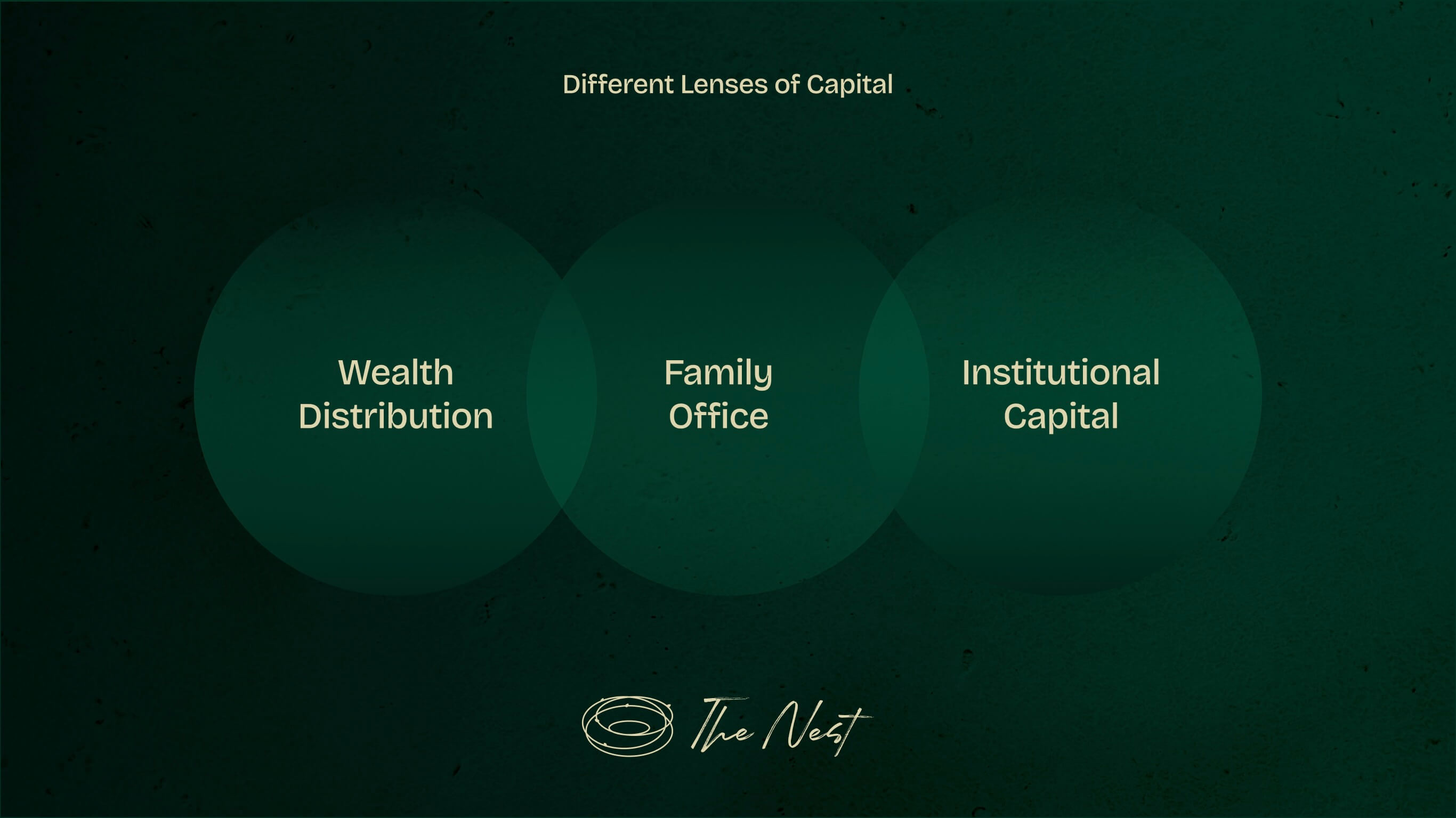
Institutional capital in Australia is typically deployed within defined asset allocation frameworks, risk budgets and governance structures. Performance is assessed relative to benchmarks and peers. Adviser-distributed capital often operates within model portfolios, research house ratings and platform availability constraints. Consistency, accessibility and repeatable messaging matters.
Family offices may adopt elements from both - but their starting point is usually different.
Their capital is personal and intergenerational. It often reflects the legacy of a founding entrepreneur or family business. Decisions are frequently shaped by long-term capital preservation, governance continuity and alignment with family values, rather than purely relative performance.
Family offices tend to think in absolute terms. The focus is often on protecting capital, maintaining purchasing power and compounding over decades - not on quarterly comparisons or peer-relative rankings.
Managers who default to institutional language or adviser-style positioning risk missing what actually drives conviction.
2. Assuming Channel Success Translates Automatically
Success in one distribution channel does not automatically translate to family office engagement.
Institutional managers may be accustomed to consultant-led diligence, structured mandate processes and formal evaluation frameworks. Adviser-focused managers may be accustomed to research house ratings, platform approvals and scalable messaging.
Family offices typically operate with fewer formal layers but greater concentration of decision-making. Engagement is often more direct, more relationship-driven and more philosophical.
Common characteristics of family office engagement include:
· Direct access to the investment decision-maker.
· Emphasis on investment philosophy and decision-making frameworks.
· A focus on risk management and downside protection.
· Interest in team stability, succession and ownership structure.
· Consideration of cultural alignment as much as performance metrics.
Research ratings, consultant endorsements and platform presence may provide comfort - but they are rarely the decisive factor.
Family offices are allocating capital they view as long-term family capital. The relationship dynamic reflects that mindset.
3. Underestimating the Importance of Alignment
Perhaps the most consistent mistake is underestimating how central alignment is to family offices.
Many Australian family offices have substantial direct investments - operating businesses, private equity, property or venture capital. They think like owners.
When allocating to external managers, they are often assessing:
· Alignment of incentives.
· Capital invested alongside clients.
· Behaviour under stress.
· Stability of leadership and team.
· Long-term strategic direction of the business.
Family offices can be patient capital. They can tolerate volatility and illiquidity where appropriate. But that patience is conditional on trust, transparency and communication.
Unlike large institutions, they are not constrained by multi-layered governance structures. Decisions can be decisive when conviction strengthens — and equally decisive if confidence erodes.
A Different Starting Point
The antidote to these three mistakes is not tactical - it is philosophical.
When engaging family offices, fund managers should consider reframing the conversation.
Instead of asking: “Where do we fit in your asset allocation or model portfolio?”
A more productive question is: “What are you trying to protect or build over the next generation?”
That shift moves the dialogue from product distribution to stewardship.
It addresses the tendency to apply the wrong institutional or advisory lens. It avoids transposing a familiar distribution playbook. And it reinforces the central importance of alignment.
Family offices are not smaller super funds. Nor are they simply larger wealth clients. They are stewards of private capital operating with a different time horizon, governance structure and decision-making dynamic.
In this segment, trust is not a by-product of performance - it is the foundation of the relationship.
The family office ecosystem is also relatively interconnected. Trust does not operate in isolation. Reputation compounds. So does doubt.
Many family offices exchange views with peers, advisers and trusted intermediaries. Informal references, quiet introductions and shared experiences often shape perceptions long before a formal meeting takes place. A manager’s reputation can therefore travel ahead of them — positively or negatively.
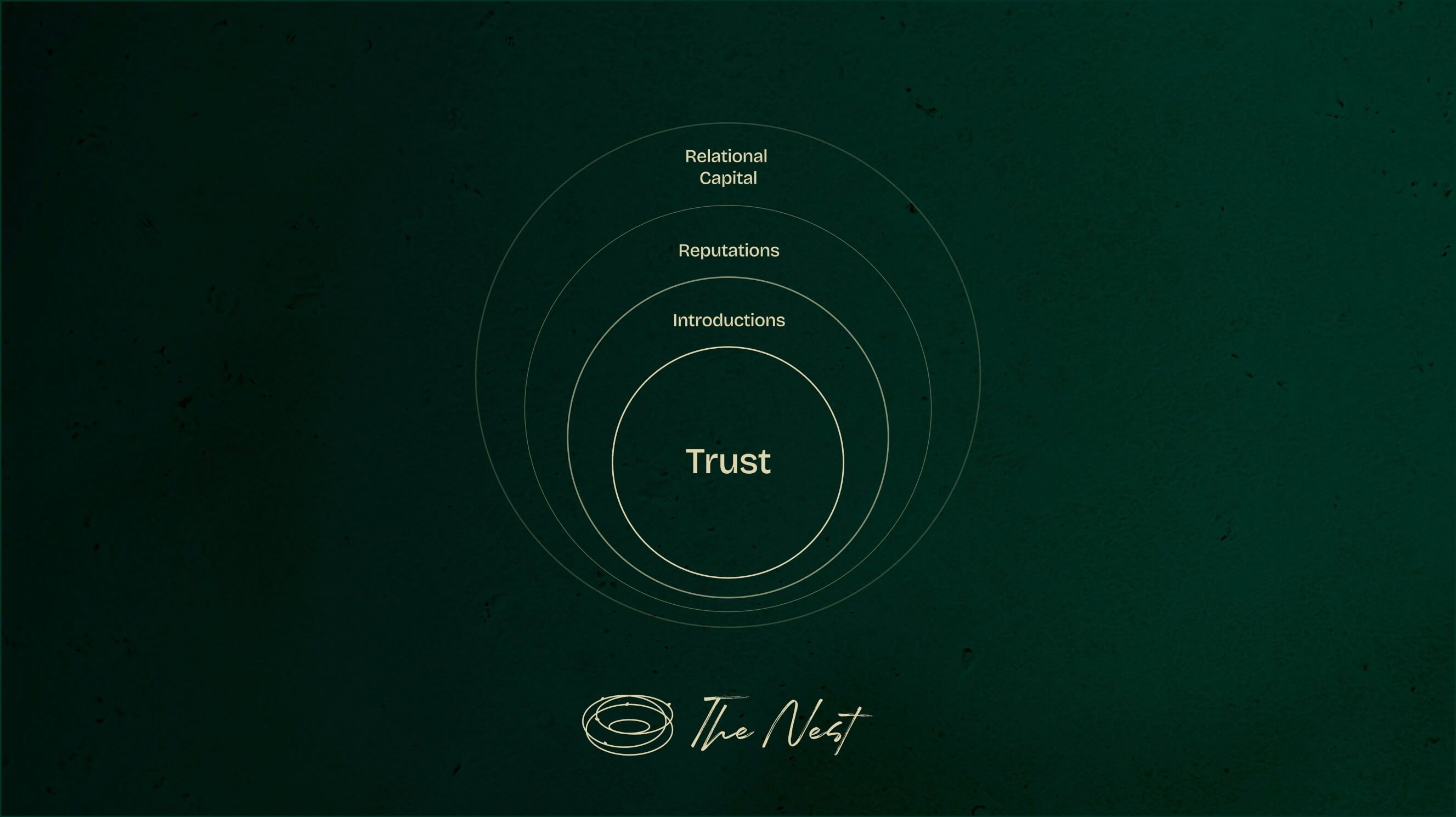
A single trusted introduction can accelerate engagement. Equally, a poorly handled relationship or inconsistent behaviour can quietly limit access across a broader network for years.
Trust is built through:
· Consistency between philosophy and behaviour
. · Transparency in both strong and difficult markets.
· Accessibility to decision-makers.
· Alignment of capital and incentives.
· A demonstrated commitment to long-term partnership rather than short-term flows.
Performance may open the door. Reputation determines whether the conversation continues. Trust determines whether capital stays through cycles.
For fund managers, the opportunity is significant - but it requires a shift in mindset. Not from one distribution channel to another, but from selling a strategy to building a partnership grounded in credibility, alignment and long-term trust. In the family office world, trust compounds - and for managers who understand this, so does opportunity.
-Brett Jollie